Farm Operations Management
Plant Factory Post-Harvest: Wilt Is Dehydration, Drops Condensation
Articles for Farm Operations Managers
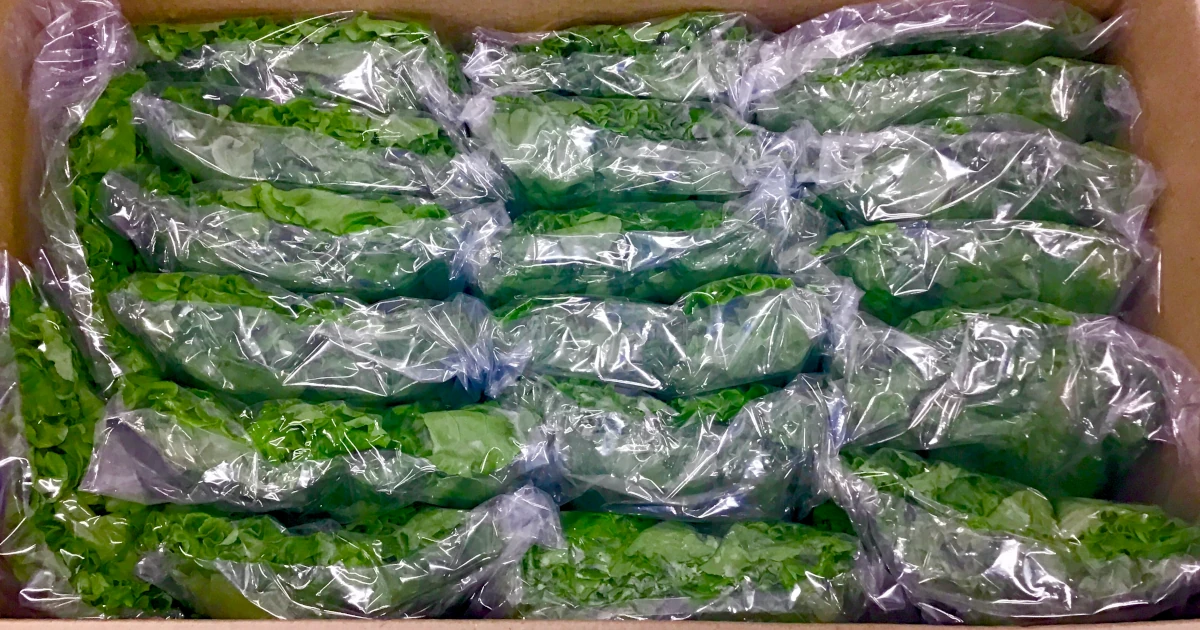
You worked on each step, and the work got faster. The mistakes have come down too. And yet the calls about returns and complaints just keep coming, without a break. The last moment you confirm quality is at the inspection bench, but the first moment the customer confirms it is when they open the box that arrived. How do you pull the time, temperature, and jostling that lie between those two moments close enough to handle?
What the post-harvest process is building is the condition “the moment it’s opened”
Weigh, package, inspect, ship. At a vertical farm, the post-harvest process usually runs as a series of separate tasks. Is the weight within spec? Did everything pass inspection? You run each task properly, task by task. And yet, after you ship, complaints and returns come back from the customer. The weight is within the spec. The packaging and inspection followed the procedure. And still, at the destination, you hear “the leaves were wilted” or “it was damaged by water droplets.” When you think it through, what you are looking at is “the condition the moment it went into the box,” while what the customer sees is “the condition the moment it’s opened.” The space between the two has dropped out entirely.
That “space” is exactly where the work is. Both weighing and inspection look at an internal pass/fail — is it within spec? You do need that pass/fail, of course: fall below the spec weight and it’s a breach of contract and a return, and you can’t drop the checks on labeling or foreign matter either. But the condition the customer sees when they open the box is not decided by that pass/fail alone. On top of pass/fail, the job of building in the space between pass/fail and “the condition on arrival” sits here. Suppose inspection misses water droplets and passes them through. Then, inside the sealed box, that moisture has nowhere to escape and keeps the leaves steaming the entire time they are in transit. Even if there is no problem at shipment, by the time it arrives it is spoiled. In other words, the post-harvest process is not just work that confirms the current condition — it is the step that decides, right here and now, the condition hours or days from now. So the inspection standard, too, gets redrawn — on top of “is it within spec,” now working backwards from “what state will it be in when it’s opened.” The condition when it’s opened is not just freshness. Are the leaves uniform within spec? Do the label and the contents match? Everything that meets the eye of the person opening the box is included. Once you shift your view that way, each step of weighing and packaging turns into a procedure for building the final condition.
A review of post-harvest handling in microgreens — themselves a leafy green — makes the same point. It reports that the rapid quality deterioration that sets in right after harvest constrains the industry’s expansion, keeps prices high, and limits sales channels to local sales (ref: 1). The specific figures for price and sales channels don’t transfer wholesale to lettuce and other leafy greens. Even so, the fact itself — that once harvested, leaves left alone will dehydrate, wilt, spoil, and lose nutrition — happens regardless of the type. How long produce keeps, and what state it’s in at shipment, are both heavily swayed by how it was handled after harvest.
The first step of working backwards is tracking one box under the customer’s conditions
Work backwards from the condition when it’s opened. Easy to say — but where do you actually start? The condition at the destination is something that happens after you ship, and what’s in front of you on the floor is just the vegetables before they’re boxed. How are you supposed to confirm the exit condition right now? What do you look at to take the first step? Haven’t you found yourself stuck right there?
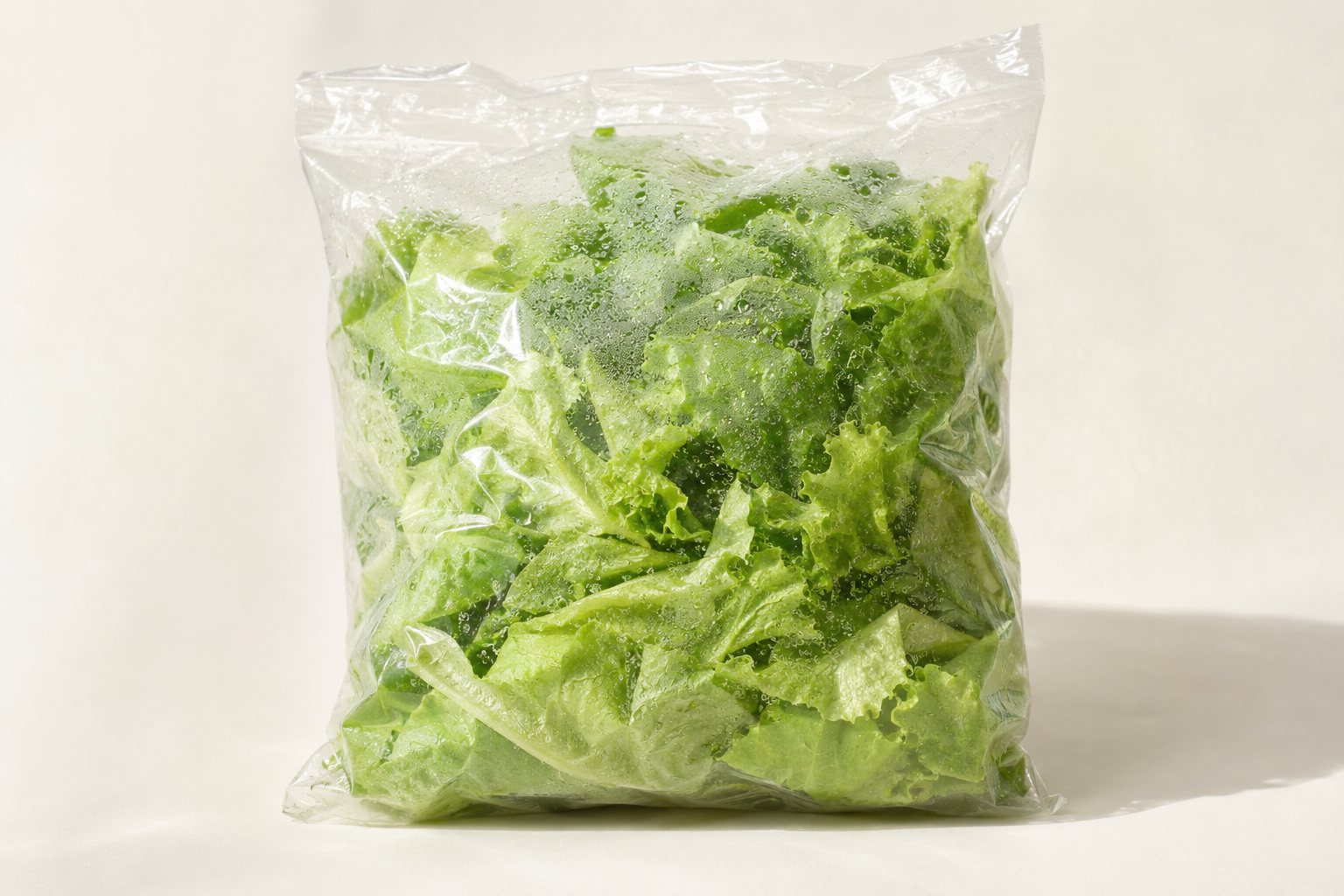
As long as you’re looking at the moment it goes into the box, the exit stays out of view. So the first step is to become the customer yourself. Pull one box from today’s shipment. Don’t leave it sitting on the shipping shelf — track it under the same conditions the customer opens it in. Let it rest for the same transit time, in the same temperature range, and open it yourself at the hour they would open it. Then “fine when boxed, water droplets after half a day, wilting after one day” — what happens at the exit of your own process lines up along a timeline. This isn’t about predicting what happens further downstream. It’s verification to isolate the spoilage you yourself baked into your own process, before handing it off to logistics. The actual cold chain has temperature swings, transfers, and sitting on store shelves; you can’t reproduce that far. But “whether the seed of spoilage was already in it the moment it left our process” — that you can pull out and hold in your hand this way.
The other thing is to record incoming complaints by tying them to a process decision. Don’t let it end at “wilting.” Trace it back to the inspection that box went through — who looked at what and passed it — and write that down. Track one box to lay out the patterns first, then use incoming complaints as the answer key against them. Keep this up and you start to see which on-the-floor decision connects to which opened condition. That said, relying on complaints alone skews things. Severe spoilage becomes a voice, but mild dissatisfaction arrives as a discount, or as orders quietly thinning out, never reaching you. So the lead role is the one box you track yourself, and complaints are the supporting cast. Do it just once and it may turn out that day just happened to be hot. Track it several times across different lots and seasons, and the spoilage patterns that aren’t flukes are the ones left standing. You’re not predicting ahead of time. You verify the exit of your own process one round’s worth, and reapply it to your decisions. That’s the first step.
Trace post-harvest causes from the pattern of the spoilage
The starting point is the words of the complaint themselves. Lay out the voices that came in. “It was wilted.” “It was damaged by water droplets.” “Only the bottom layer was spoiled.” What we deal with here is the freshness deterioration that progresses as time passes. Damage like a mismatch between label and contents, foreign matter, or crushing belongs to a different lineage — the design of inspection and boxing — so we set that aside here and focus on how freshness drops. And you start to see that the way freshness drops splits into several kinds. Wilting, condensation, and heat buildup turning to rot have different physics at work. Is it dehydration, condensation, or temperature that hasn’t come down enough? Don’t lump these together as “freshness dropped.” For each spoilage pattern, you can pin down — one by one — which post-harvest decision (when to chill, how to seal, how to stack the layers) produced it.
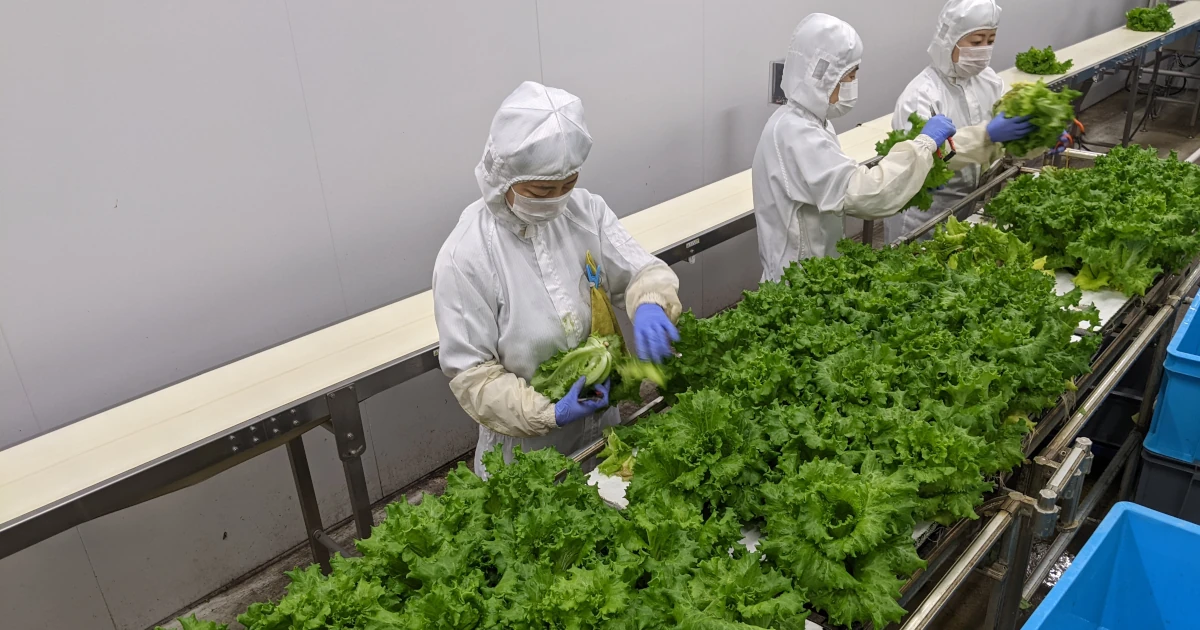
These patterns sort out when you touch them by hand. Wilting (dehydration) is leaves that have no firmness and are light. Weigh them and they should have lost mass compared to shipment. This is a sign that moisture escaped from the leaves before the chilling stage. On my own floor, when wilting shows up, it’s usually because the time the leaves spent bare in dry air, between harvest and pre-cooling/packaging, ran long. The countermeasure is to not let them dry out before chilling, before wrapping — to tighten the steps that leave the leaves exposed. On a floor where wilting tends to appear at the pre-wrapping stage, suppressing the dryness around the leaves with humidification works too. The thing to watch is that this humidification only works on the “pre-wrapping, wilting side.” Trap moisture inside after you’ve bagged and closed it, and now it swings toward the next side — condensation and heat buildup. With the same “moisture,” the countermeasure reverses depending on the phase.
Water droplets (condensation) show up as beads forming on the inside of the bag. This is the pattern of sealing while still warm. Put leaves that aren’t chilled to the core into a bag and seal it, and the moisture inside has nowhere to escape and condenses into dew on the inside. The countermeasure is to bring the temperature all the way down before sealing, or to switch to packaging that lets it breathe. Conversely, if you seal only after chilling to the core, the seal itself can actually work in your favor by retaining moisture — sealing isn’t always bad. What’s at work isn’t sealing, but sealing before fully chilling.
Rot (heat buildup) tends to appear in the bottom layer or center of the box. This is the pattern of stacking before things are chilled and the heat in the center couldn’t escape. The countermeasure is to bring the core temperature down before stacking, and to stack in a way that lets air pass through. There’s another route here that temperature and stacking alone can’t explain. Rot is also driven by the number of microbes that were already on the leaf surface to begin with. If tools and containers are dirty, the leaves pick up microbes there, and then the moisture and temperature inside the bag carry it forward. So the countermeasure against rot isn’t installing sterilization equipment — first it’s the utterly ordinary tidying-up of washing and drying the tools and containers you used, wiping the moisture off the work surface, and not letting scraps pile up. This isn’t a special countermeasure; it’s the hygiene routine that is the floor under quality, beneath any talk of patterns.
That said, at what temperature and after how many minutes the line is crossed shifts with the crop, the packaging, and the logistics conditions. There’s no asserting it here. The sure way is to track one box on your own floor and confirm where the pattern shows up.
The relationship between spoilage and humidity comes into view from another angle too. This is an example of disease rather than condensation or heat buildup itself, but in the disease-development model for lettuce sclerotinia rot, the higher the humidity — especially the closer it gets to saturation — the faster the disease progresses. At humidity near saturation, the number of days until the first symptoms appear is short, just a few days, while at moderate humidity that stretches out to one to three weeks (ref: 2). Even though the mechanism at work is different, the direction is shared: the longer moisture lingers around the leaf, the more easily something progresses. Both condensation and heat buildup raise the humidity inside the bag or box if you seal or stack before things are chilled. So bring the temperature all the way down before you close or stack. It’s a reasonable countermeasure.
Sort countermeasures into three layers and work from operations first
Take the countermeasures you drew out for each pattern and lay them out, this time along a different axis. You notice that things of different natures are mixed in. Changing the order in which you chill, changing how you stack — these countermeasures you can change by hand starting tomorrow morning. But “switch to packaging that breathes” or “install a pre-cooling room” — those take money and contracts. How far can you change today on your own judgment, and from where does it become a range you can’t do without taking it up the chain? That line is hard to make out.
Countermeasures split into three layers by the size of the effort and money it takes to change them. The first is the layer of order, timing, and flow. The order you chill in, how you stack, the time you leave leaves exposed — these you can change in operations starting today. They cost no money; you just decide and run with it. The order in which you ship out inventory belongs here too. Out first what came in first. Break that and let old inventory linger on the shelf, and you give dehydration and rot that much more time to progress. The hygiene of washing tools and clearing away moisture also lines up in this free layer. The second is the level of consumables and jigs. Switch packaging materials to ones that breathe, change the shelf height, add coolant packs. You can try these with a small investment, and it stays within the range of consumables rather than a formal approval request. The third is the layer of equipment and contracts. Pre-cooling rooms, packaging machines, and the temperature range your shipping runs at are matters to take up the chain of command.
What matters here is the order. That said, the order applies as-is only to a floor that has the labor and can rework its existing operations. First, work the first layer of operations all the way through. The patterns that disappear from that don’t need equipment. Reverse the order and buy a pre-cooling room for a pattern that should have been erased through operations, and you can spend the money and that pattern still won’t disappear. That said, this doesn’t mean “operations alone erase everything.” What heavily sways the shelf life of leafy greens is the cold-chain and packaging side — how fast you bring the core temperature down, how you seal — and there are patterns there that operational tweaks alone can’t reach. So you start from operations not because operations erase everything, but to cheaply sort out, before you buy, “which patterns operations erase and which patterns need equipment.” What you should work through first isn’t operations themselves so much as this sorting — the diagnosis. And once you have the record of sorting patterns out in the first layer, when you put that equipment or contract through, you can say “this much, to stop this spoilage.” The material for the decision comes together.
The exit for yield is also worth thinking through together here. If you design in advance an exit that routes leaves that fell short of spec to cut-vegetable uses or processing material rather than disposal, then what operations couldn’t fully prevent doesn’t stay a pure loss, and a little comes back on the revenue side. How much you can recover depends on how you build your sales channels, and this in itself is a different lineage from stopping post-harvest spoilage — but whether or not you have an exit changes how much money is left over at the same yield.
Separate the spoilage you can prevent post-harvest from the spoilage set upstream
Even after you sort into layers and work from operations, a question still remains. Not “everything” is decided in the post-harvest process. The cultivar simply didn’t keep well to begin with. The leaves were already damaged by the harvest timing or cutting method. Spoilage like this is hard to recover no matter how carefully you handle it after harvest. This is the matter of the steps before harvest, and we think about it separately from the range you can change post-harvest. The “spoilage you can prevent” by post-harvest decisions, and the “spoilage you can’t recover post-harvest” that was set upstream. Where is the boundary between them?
Here’s how to tell them apart. Track one box: fine at shipment, and the pattern shows up after half a day or one day. Wilting, condensation, heat buildup. This is the side you can change post-harvest. Spoilage that appears as time passes is created by your own handling. Conversely, the cut surface is already brown the moment it’s opened, the leaves already have damage, they were weak in firmness from the start and go limp right away. This didn’t emerge over time — it was in there from the beginning. The choice of cultivar, the harvest timing, the cutting method. It’s set in the harvest process itself or before it, and no amount of careful post-harvest handling can recover it.
The original makeup is set upstream. This fits with how the research sees it too. A review on the nutritional value of microgreens lays out that while they tend to be higher in nutrients than mature vegetables, that advantage swings widely with the species, growing conditions, and harvest timing, and doesn’t always hold in one direction (ref: 3, 4). The content of the leaf itself is, in large part, decided by the choice and growing methods before harvest.
The big factors that sway whether someone buys also lie outside the post-harvest process. There’s a study that examined consumer attitudes toward vertical farm produce in four countries — China, Singapore, the UK, and the US. While favorable overall, concerns about price and safety sit there at the same time. Among them, high price ranks near the top as a barrier to purchase in every country surveyed (ref: 5). The part driven by price and brand is, in other words, out of reach of the floor.
So the post-harvest process is not the place that carries everything. The makeup set upstream, and price and brand, can’t be changed here. But the range you do finalize here — the condition the produce is in when they open the box — that, at least, you build all the way through. Damage that came in upstream, send back upstream. On top of that, finish off your own post. Whether a shipment that sold once gets chosen again, or turns into a return or a complaint and the business dwindles — what divides the two is whether, when the box was opened, it arrived in the condition promised. What the customer sees in their hands is not just how accurate the in-house weighing was to the gram. You do need pass/fail, of course. On top of that, how it looked when they opened it — the space between pass/fail and the condition on arrival. What’s left in the end is whether you built that space all the way through.